In the digital wellness age, we are conditioned to expect instantaneous results. We want the https://wheonx.com/why-digital-wellness-culture-is-driving-interest-in-medical-cannabis-across-the-uk/ app that fixes our sleep in a night, the supplement that clears our fatigue in a week, and the "miracle" intervention that makes chronic pain disappear. When it comes to medical cannabis—a treatment that has been legal in the UK since November 2018—the noise on social media often frames it as a "lifestyle product." This is not only medically inaccurate; it is dangerous.
As a former NHS-facing editor, I have spent the better part of a decade watching the evolution of telehealth. If there is one thing I’ve learned, it’s that effective healthcare is rarely about shortcuts. It is about clinical oversight, consistent monitoring, and the patient-centered management of chronic conditions. Here is why medical cannabis, when accessed through legitimate, regulated pathways, is a marathon, not a sprint.
The Regulatory Framework: Why 2018 Changed the Conversation
Before November 2018, medical cannabis was largely inaccessible in the UK. The legal shift allowed specialist doctors to prescribe cannabis-based products for medicinal use. However, this didn't open the floodgates for recreational use; it created a strictly regulated framework for patients who had already exhausted standard treatments.
Central to this framework is guidance from the National Institute for Health and Care Excellence (NICE). Specifically, NICE guideline NG144 provides the clinical evidence base for the management of conditions like chronic pain and epilepsy. When clinicians prescribe, they aren't looking for a "quick fix" to a fleeting problem; they are working within a structured framework to manage long-term, often treatment-resistant symptoms.
The Patient Journey: Step-by-Step
Understanding how a patient moves through the current UK landscape is vital. It is not an "add to cart" experience. It is a medical consultation process that prioritizes patient safety and history.
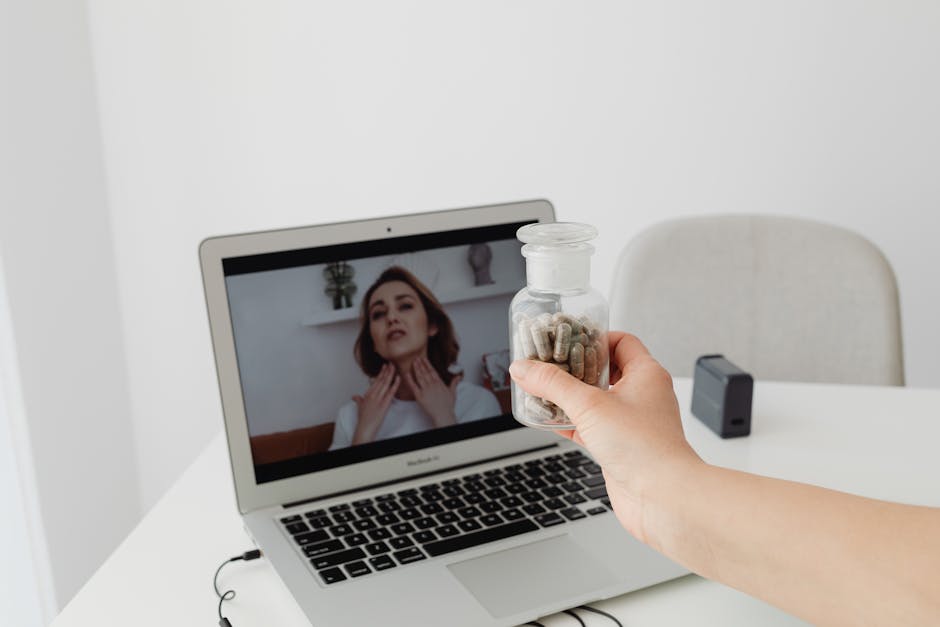
The Role of Digital Health Platforms
Modern clinics, such as Releaf—widely recognized as the UK’s largest medical cannabis clinic—use robust digital patient platforms to manage this journey. Similarly, digital health tools like Wheon offer patients a way to track their symptoms and engagement with their treatment plan. These tools aren't just for convenience; they are essential for data-driven care.
In a clinical setting, data matters. When a patient tracks their sleep quality or pain levels through a platform, they are providing their clinician with the objective feedback needed to make informed changes to their prescription. This is what long-term chronic condition management looks like in the 21st century: iterative, digital, and evidence-led.
Reality Check: What You Need to Know Before Applying
It is important to strip away the buzzwords. Medical cannabis is not a "miracle cure" for everything. It is a tool for managing complex conditions when other evidence-based pathways have failed.
A quick reality check on eligibility:
- You must have a diagnosed chronic condition. You must have failed on standard, first-line treatments. You will remain under the ongoing care of a specialist doctor. There is no "one-size-fits-all" dose; every patient’s needs vary significantly based on their physiology and condition severity.
Comparison: Lifestyle vs. Clinical Approach
To understand the distinction between viewing this as a lifestyle product versus a medical treatment, consider the table below:
Feature Lifestyle/Quick-Fix Mindset Long-Term Wellness Mindset Goal Instant relief/Escapism Chronic condition management Process Seeking a product Adhering to a clinical pathway Monitoring None Regular clinician follow-ups Consistency Irregular use Structured titration and dosingWhy "Sustainable Habits" Matter
Patients who find success with medical cannabis are rarely those who see it as a weekend treat. They are those who treat their health as a comprehensive ecosystem. This involves:
- Sleep Hygiene: Cannabis is often used to manage symptoms that disrupt sleep, but it works best when combined with good sleep habits. Physical Activity: Movement remains one of the most effective ways to manage chronic pain. Cannabis is an adjunct to, not a replacement for, physiotherapy. Mental Health Support: For many, cannabis is used to manage anxiety or PTSD symptoms. It works most effectively when paired with talking therapies or CBT.
By framing the treatment this way, we shift the conversation away from the product itself and onto the patient's overall quality of life. The cannabis isn't the solution; the management plan is.

The Dangers of Overpromising
I have interviewed patients who were initially wary of the "medical cannabis" label because of the sensationalized reporting in the media. They were worried they were signing up for a "get-well-quick" scheme. The reality of a structured, regulated clinic is far more reassuring.
When a clinic promises "seamless" results or uses flowery language to suggest that a treatment will change your life overnight, run in the other direction. Real medicine involves side effects, titration periods, and sometimes the disappointment of realizing a particular strain or dose isn't the right fit. A responsible clinician will be the first to tell you that medical cannabis is part of a complex, long-term puzzle.
Conclusion: The Future of Remote-First Healthcare
The integration of telehealth and regulated medical cannabis is a significant step forward for the UK healthcare landscape. It allows patients to manage chronic conditions from the comfort of their own homes while remaining under the watchful eye of specialists who follow the strict mandates of NICE NG144.
If you are considering this route, stop looking for a quick fix. Instead, start looking for a partner in your care. Whether you are reviewing options through a provider like Releaf, tracking your metrics via a digital platform, or simply researching your eligibility, remember: this is about building a sustainable, long-term relationship with your health. That is not a buzzword. That is the reality of responsible, modern medicine.
Disclaimer: This article is for informational purposes and does not constitute medical advice. Always consult with a qualified clinician regarding your medical history and potential treatments. Ensure any clinic you choose operates under Care Quality Commission (CQC) regulation in the UK.