Awkward routes through your home don’t just waste time—they can also increase your risk of trips and falls, reduce comfort, and even impact your health. Whether it’s a confusing layout that sends you on a circuitous route from kitchen to living room or narrow corridors that cause congestion, the way your home flows is critical to daily ease and wellbeing.
In humid climates like Singapore, movement-friendly planning intersects with health-focused home design.
Poor https://bizzmarkblog.com/why-home-design-affects-emotional-health-and-stress-levels/ layouts can worsen moisture issues and mould growth, creating an unhealthy living environment. In this post, we unpack realistic steps to reduce awkward movement patterns—starting with smarter layouts and ending with materials and ventilation strategies that keep your home dry and safe.
Why Home Design Matters for Your Health
Good home design isn’t just about aesthetics; it’s a fundamental driver of physical and mental wellbeing. Cramped spaces and confusing layouts force unnatural movement patterns, which might cause:
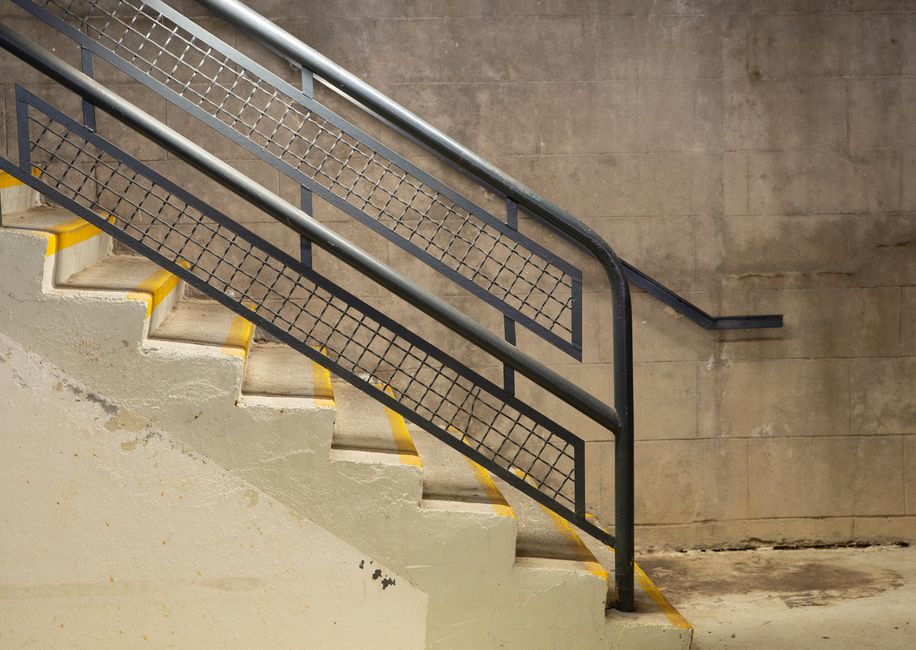

- Increased risk of injury from trips and falls Fatigue from inefficient routes when moving around frequently Stress caused by cluttered spaces or obstructed walkways Compromised hygiene due to hard-to-access corners Greater susceptibility to mould in poorly ventilated or damp areas
In humid environments, these issues compound as moisture lingers longer and ventilation becomes critical. Thus, it’s necessary to design with airflow and moisture resistance in mind, not just spatial convenience.
Identifying and Avoiding Awkward Routes
This reminds me of something that happened wished they had known this beforehand.. Most homes develop awkward routes as a result of piecemeal renovations or poor original design. You’ll recognize them by:
- Long detours required to access common areas Narrow corridors or thresholds that bottleneck movement Rooms accessible only by passing through other rooms, reducing privacy and flow Obstacles like staircases poorly placed and forcing backtracking
Movement-Friendly Planning Principles
Direct pathways: Aim for the shortest and most unobstructed routes between key areas like kitchen, bathrooms, bedrooms, and living spaces. Clear sight lines: Visual connectivity helps orient you and prevents confusion, especially for visitors or older residents. Sufficient width: Corridors and doorways need to accommodate free passage without bumping into walls or furniture. Logical room adjacencies: Group rooms with related functions close together—wet areas near each other, social areas clustered, private zones separate. Minimal transitions: Avoid having to climb stairs or step over thresholds multiple times for routine movements.Good planning reduces awkward routes and creates a feeling of spaciousness even in modest-sized homes.
Materials for Hygiene and Moisture Resistance
In humid climates, material choice is crucial to prevent dampness and mould, which thrive in shady, stagnant zones created by cramped or unclear layouts.
Material Properties Where to Use Ceramic or Porcelain Tiles Water-resistant, easy to clean, durable Bathrooms, kitchens, entryways Moisture-Resistant Paints Prevent mould growth, breathable yet protective Walls in humid zones, laundry rooms Waterproof Laminates & Vinyl Flooring Resistant to moisture and scratches, low maintenance Living areas prone to humidity Corrosion-Resistant Metals (Aluminium, Stainless Steel) Resist rust in humid air, long-lasting Fixtures, kitchen, bathroom fittingsAvoid porous, untreated woods or fabrics in humid or enclosed areas as they harbour mould spores and bacteria. Always specify materials that stand up to moisture without encouraging its accumulation.
Ventilation and Airflow Planning in Humid Homes
Poor airflow and ventilation are the top reasons homes struggle with mould, which is often mistaken by well-meaning homeowners https://smoothdecorator.com/step-free-transitions-in-a-home-are-they-worth-it/ as a "cleaning problem" rather than a design or maintenance issue.
Strategies to Ensure Good Ventilation
- Cross Ventilation: Windows or vents placed opposite each other allow natural airflow, flushing out moist air regularly. Mechanical Ventilation: Exhaust fans in kitchens and bathrooms actively remove humid air at source. Openable Windows & Doors: Ensure many openings can be fully opened, not just tilted or fixed. Ventilation Shafts or Lightwells: In multi-storey homes, introduce shafts that channel light and air into central zones typically trapped with stale air. Ceiling Fans: Spin humid air to expedite evaporation and lower condensation.
Effective ventilation works hand-in-hand with a well-planned layout: corridors and rooms configured for airflow minimize stagnant zones where mould loves to grow silently.
Mould Prevention through Layout and Detailing
Elevation changes, hidden corners, and awkward connections promote damp pockets and mould. Detail-focused design can minimize this.
What to Watch Out For:
- Avoid enclosed storage in wet areas: Cupboards beneath sinks or behind shower walls can trap moisture without ventilation. Raise floors in wet zones: Toilets and bathrooms benefit from slight elevation or proper drainage slopes to prevent pooling water. Install coved skirting: Rounded skirting boards help prevent moisture collection at joints between walls and floors. Ensure proper sealing of windows and doors: Gaps invite humidity in and degrade wall structure over time. Insulate external walls where possible: Thermal breaks reduce condensation on internal walls by balancing temperature differences.
Addressing mould requires a two-pronged approach—good planning plus careful detailing. Without both, mould problems will return no matter how much cleaning you do.
Additional Resources
For ongoing advice on healthy home design and how to tackle movement and mould issues, follow the YourHealthDMV Facebook page. Our friends there discuss real homeowner challenges in humid environments.
Also, stay connected with industry experts and design-and-build professionals on LinkedIn, where you can learn about latest trends and workshops around movement-friendly planning and humidity-conscious homes.
Summary: Reducing Awkward Movement Patterns Is More Than Layout
To recap:
Evaluate your home layout: Spot awkward routes and reconfigure room adjacencies for direct, clear pathways. Choose moisture-resistant and hygienic materials: Avoid porous surfaces and select products tailored for humid climates. Plan for effective ventilation and airflow: Cross ventilation and mechanical systems prevent moisture buildup that worsens with poorly planned layouts. Detail meticulously to stop mould: Use coved skirting, proper insulation, and sealed joints to eliminate hidden damp pockets.Ever notice how with these steps, you can turn confusing layouts into movement-friendly homes—safer, healthier, and more comfortable for you and your family.
If you’re tackling renovations or new builds in humid regions, always keep airflow, moisture, and movement ease top of mind. These factors are the unsung heroes of a genuinely well-designed home.