When living with a chronic condition, preparing for a clinical assessment can feel overwhelming. You want to be sure your healthcare provider understands your full symptom history and how your condition impacts your daily life. Clear communication helps build trust, ensures accurate diagnosis, and guides effective treatment planning.
In the UK, clinical assessments for ongoing conditions follow NICE guidance, which emphasises detailed symptom timelines, honest discussions about treatments tried, and realistic expectations. If you’re exploring prescribed medical cannabis, it’s important to know that these are specialist-prescribed medicines, distinct from shop-bought CBD oils, and they are tailored and often unlicensed products.
Why Your Symptom History Matters
Your symptom history is the story of how your condition unfolds day by day, month by month, sometimes years on end. It helps clinicians understand what works, what doesn’t, and the ups and downs you experience.
- Symptom timeline: When and how symptoms began; whether they fluctuate or worsen over time. Treatments tried list: The treatments or therapies you’ve tried, including prescribed medicines, shop-bought remedies, therapies, and lifestyle measures. Daily impact examples: Real-life examples of what symptoms affect—work, sleep, mood, mobility, social life.
All of this helps create a full picture. It’s also your chance to share treatment fatigue — when you feel worn out medical cannabis referral UK after trying many treatments without clear benefit. That honest conversation can help clinicians tailor the next steps practically.
Common Mistakes to Avoid When Explaining Symptoms
During assessments, some issues repeatedly come up, which can reduce the effectiveness of your clinical review:
Jumping to miracle cures: Avoid suggesting or expecting a quick fix, especially with products like cannabis. NICE guidance supports realistic outcomes and managing expectations. Mixing prescribed medicines with over-the-counter products: Clinicians need to clearly distinguish prescribed drugs from shop-bought items like CBD oils. Leaving out important details: Gaps in symptom history can make it tough to understand your condition fully. Not mentioning treatment fatigue: Feeling worn out is real and should be included in discussions. Forgetting daily impact: The real-world consequences of symptoms matter as much as clinical details. Expecting prices or costs information: Clinical assessments do not typically discuss treatment prices; these are handled separately by pharmacies or discussed afterwards.How to Prepare a Symptom Timeline
A clear symptom timeline is your foundation. Try to map out:
- The date or approximate time when symptoms began. How symptoms have changed: Are they steady, worsening, improving, or fluctuating? Any triggers or events linked to symptom changes. Periods of remission or symptom-free times.
You can use a simple calendar or a journal. For example:
Month/Year Symptom(s) Notes (Changes, Triggers, Severity) Jan 2022 Joint pain and stiffness Started mild, worsened after cold weather Jun 2022 Fatigue Increased significantly; impact on work Nov 2023 Muscle cramps Linked to medication changesMaking a Treatments Tried List
Being clear about all treatments you’ve tried helps your clinician avoid repeating ineffective options and explore alternatives. Consider dividing your list as follows:
- Prescribed treatments: Medications, therapies, and interventions your doctor or specialist officially prescribed. Shop-bought or complementary products: Over-the-counter supplements, CBD oils, alternative therapies you have used. Non-drug approaches: Diet changes, physical therapy, exercise routines, mindfulness.
Describing Daily Impact with Examples
Numbers and medical terms tell part of the story. Your daily experience fills in what those symptoms really mean. Try to provide:
- Examples of tasks you struggle with (e.g., dressing, cooking, work challenges) How symptoms affect mood and social interactions Any adjustments you make (e.g., rest breaks, assistance from others) Impact on sleep or energy levels
Example: "Because of joint stiffness, I take 10 to 15 minutes each morning just to get dressed. I have reduced my social outings as pain increases by evening. I have also stopped driving long distances."
What to Ask at Your Appointment
Preparing a list of questions can help you cover everything important. Here are some to consider:
- Based on my symptom history, what do you think is driving my condition? Are there any new treatments I should consider or avoid? How can we manage treatment fatigue together? If medical cannabis is an option, what is the legal prescribing process? What should I monitor in my symptoms moving forward? Where can I find reliable patient-focused resources, like Releaf?
Understanding UK Legal Pathway and Specialist Prescribing
In the UK, prescribed medical cannabis medications must be initiated by a specialist clinician, not a GP. These products are usually unlicensed, meaning they do not have full marketing authorisation but are prescribed when standard treatments have failed or are unsuitable.
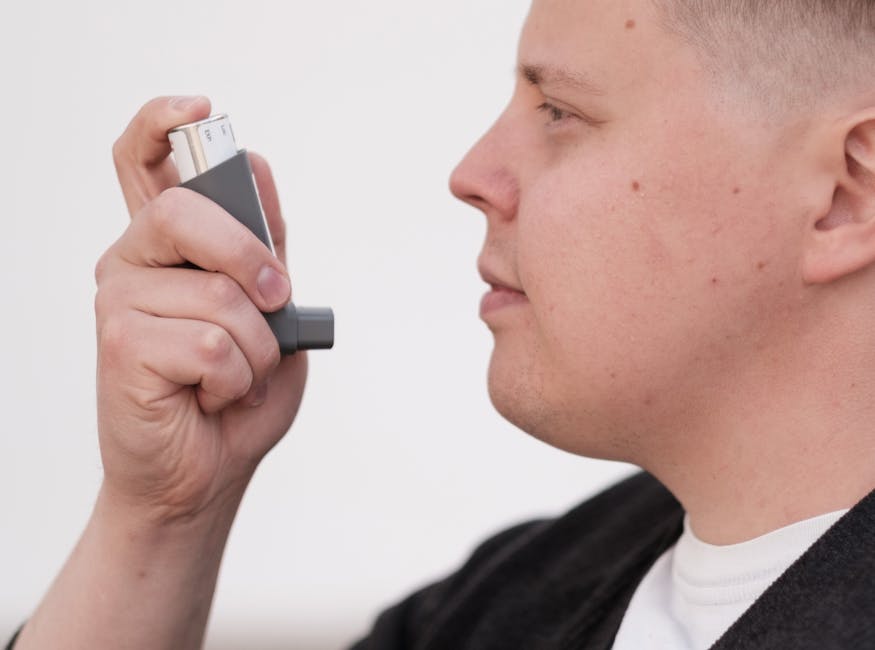

This pathway follows NICE guidance and careful clinical judgment. Shop-bought CBD oils differ significantly from these prescribed cannabis-based products—they are not legal substitutes and lack the same quality controls.
Important Reminders
- Be clear and honest about all treatments you use, specified as prescribed or shop-bought. Don’t expect prices or cost information during your clinical assessment; this is handled later or by your pharmacist. Focus on building a timeline and list that tell your full story. Express treatment fatigue—weariness with ongoing treatment trials is valid and important. Use trusted resources like NICE and Releaf to prepare.
Summary Checklist: Preparing for Your Symptom History Assessment
Write a detailed symptom timeline with dates and notes. Make a treatments tried list, clearly separating prescribed and shop-bought products. Gather real-life daily impact examples to communicate how symptoms affect your life. Note any signs of treatment fatigue you are experiencing. Prepare key questions for your clinician. Review trustworthy guides like NICE and Releaf websites beforehand. Remember that prescribed medical cannabis is a specialist-only, legally regulated option, different from CBD oils.By organising your history clearly and realistically, you empower your healthcare team to work effectively with you. This leads to better discussions and, hopefully, better outcomes during your assessment and beyond.