When you’re shopping for CBD products, understanding the cannabinoid profile is crucial. Every CBD product should come with a third-party lab test known as a Certificate of Analysis (COA). These detailed reports give you an exact breakdown of cannabinoid concentrations, contaminants, and more.
But decoding these lab tests isn’t always straightforward. Many brands bury their reports behind vague links or provide outdated data — which can be a red flag. I’ve spent nearly a decade scrutinizing CBD COAs and here’s a comprehensive guide for you to confidently interpret your CBD lab results, verify product quality, and avoid common pitfalls.
Understanding the Basics: What Is a CBD COA?
A Certificate of Analysis (COA) is generated by a certified third-party laboratory to analyze CBD products for:
- Cannabinoid concentrations (CBD, THC, CBG, CBC, and others) Contaminants such as pesticides, heavy metals, residual solvents, and microbial impurities Terpene profiles (in some cases)
Reading the cannabinoid profile section of a COA helps you confirm how much CBD or THC is actually in the product, expressed as mg per ml or as a percentage of the total solution.
Many brands provide COAs in PDF format, with some even embedding them in their sites using tools like Issuu readers to allow users to easily flip through the entire report.
Step-by-Step Guide to Reading Cannabinoid Concentrations on a CBD Lab Test
Check the Lab Report Date and Batch NumberAlways ensure that the COA corresponds to your product’s specific batch and is recent. Outdated or generic lab reports are a red flag.
Identify the Hemp Source and Growing ConditionsReliable COAs indicate the hemp variety used—such as organic European hemp. Transparency about the growing environment helps assess contamination risk. COAs that show testing for pesticides and heavy metals indicate cleaner growing conditions.
Locate the Cannabinoid Profile TableThis table lists cannabinoid types and their concentrations. Key cannabinoids include:
- CBD (Cannabidiol) THC (Tetrahydrocannabinol) CBG (Cannabigerol) CBC (Cannabichromene) CBDa, THCa (acidic precursors)
The COA may list cannabinoid concentrations as mg per ml (milligrams per milliliter) or as a percentage. For example:
- mg per ml relates directly to how much CBD is in each drop or milliliter of your tincture—a crucial figure for dosing. Percentage usually indicates cannabinoid content relative to the total weight or volume.
THC content should be below 0.2% (in Europe) or 0.3% (in the US) to comply with legal standards. Watch out for confusing wording that obscures whether THC is present in decarboxylated form (THC) or acidic form (THCa).
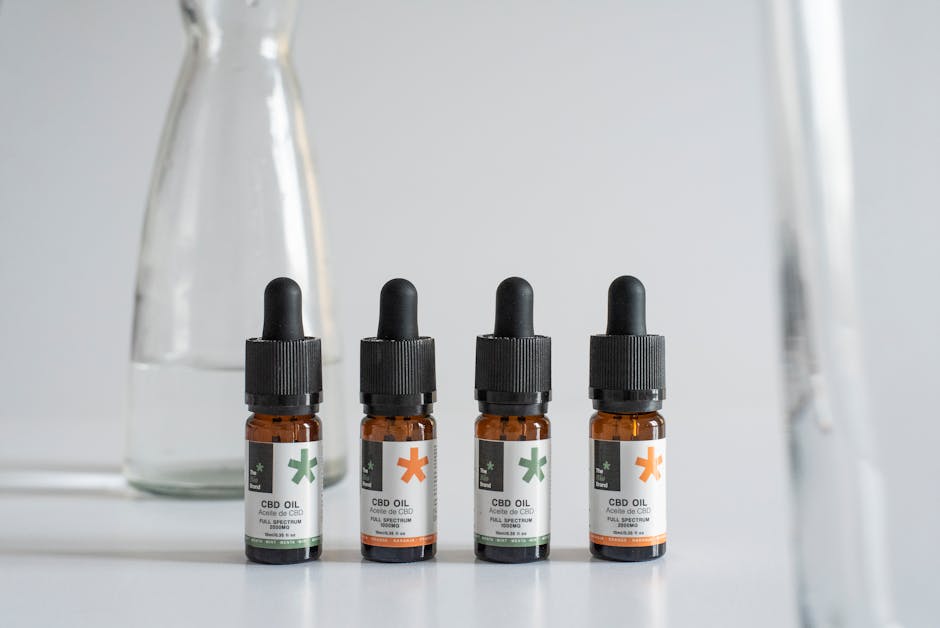
Some lab reports offer remarks about product purity or deviations. Don’t skip these—they can reveal quality red flags.
Example: Cannabinoid Table Breakdown
Cannabinoid Concentration (mg/ml) Concentration (%) Comments CBD 25.0 mg/ml 2.5% Main active compound, expected level per label THC 0.02 mg/ml 0.002% Below legal threshold for hemp products CBG 1.0 mg/ml 0.1% Minor cannabinoid, contributes to entourage effectHemp Source Transparency: Why It Matters for Contamination Risk
Growing hemp in clean, pesticide-free environments is the bedrock of quality CBD. COAs that specify the hemp source, ideally organic farms licensed to cultivate hemp, provide strong reassurance.
Contamination risks include residual pesticides, heavy metals (like lead and cadmium), and microbial growth due to https://pembrokeshire-herald.com/144880/how-to-spot-high-quality-cbd-products-before-you-buy/ poor growing or storage practices.
Always look for COAs that test for these contaminants and provide clear pass/fail results. Vague or missing information about hemp sourcing should prompt caution or abandoning the cart altogether.
Extraction Methods and Their Impact on Lab Results
CO2 Extraction: The Gold Standard
CO2 extraction is widely regarded as a clean, efficient way to gently extract cannabinoids without harmful solvents. Lab tests of CO2-extracted products often show:
- High cannabinoid purity consistent with product claims Minimal residual solvent levels Stable cannabinoid profiles with well-preserved terpene content
This method is preferred for premium CBD brands aiming to deliver potent and clean products, and COAs typically reflect this with low contaminant readings.
Ethanol Extraction: Pros and Trade-Offs
Ethanol extraction can also effectively isolate cannabinoids but may leave higher residual solvents if the process isn’t thoroughly controlled. It tends to extract more chlorophyll, potentially affecting taste and color.
Lab reports for ethanol-extracted products must demonstrate rigorous testing for residual ethanol or other solvents to ensure safety.
Some brands market ethanol extraction as “natural,” but without transparent COAs confirming safety, it becomes difficult to trust.
Using Tools Like Issuu Reader to Explore COAs
A good trend among reputable CBD brands is embedding full COAs via platforms like Issuu. These interactive readers allow you to:
- Flip through entire lab reports seamlessly on the website Zoom in to scrutinize molecular breakdowns Verify that the lab report matches the advertised batch by date and number
This transparency not only boosts confidence in the product but also makes it easier for consumers to quickly identify red flags such as incomplete data or suspicious cannabinoid ratios.
Final Checklist: What to Watch Out For When Reading a CBD Lab Test
- No direct link or embedded COA: A big red flag Outdated or generic batch numbers: COAs should match your specific product THC levels not clearly stated or dodging decarboxylated vs acidic THC No contamination testing for pesticides, heavy metals, or solvents Unclear hemp source or growing conditions Suspicious cannabinoid concentrations well above or below label claims Vague language like ‘highest quality’ without lab proof
Conclusion
Reading the cannabinoid concentration on a CBD lab test is an empowering skill that helps you make informed wellness choices. Pay close attention to the cannabinoid profile, mg per ml values, and cannabinoid percentages, verify the hemp source and contamination tests, and understand the extraction methods used.
Don’t be fooled by brands that hide behind vague wording or outdated COAs. Demand transparency and traceability. Using tools like Issuu embedded COAs can simplify your verification process.
By following this step-by-step approach, you can confidently select high-quality CBD products that deliver what they promise — clean, potent, and safe extracts to support your health.