I spent nine years in the trenches of collegiate esports. I’ve seen players sprint through 14-hour sessions of Rainbow Six Siege, eyes bloodshot, hands shaky, blaming "bad hit-reg" when their reaction times had actually slowed by 150ms because they hadn't stepped away from their desk in five hours. I’ve heard the excuses: "I need to grind the ranked ladder to stay sharp."
Here is the reality check: If you are playing for 10 hours a day and your performance drops in the final two, you aren't training. You’re just practicing being tired. You’re baking mistakes into your muscle memory. And yet, when I tell players they need a recovery plan, they look at me like I’m suggesting they quit the game entirely.
What does this look like on a normal Tuesday night? It looks like a structured wind-down instead of crashing into bed at 4:00 AM after a string of losses. Let’s talk about how to actually recover without pretending you’re a professional athlete who has six hours a day to spend at a spa.
Recovery is Training, Not Wasted Time
In the world of high-level shooters, people love to talk about "limit testing." They test the limits of their aim, their positioning, and their mental fortitude. But they rarely test the limits of their own physiology. When you reach a high level of play, the margin for error is razor-thin. If your cognitive load is maxed out because you haven’t slept or taken a break, your decision-making on the ranked ladder will fail you. You’ll stop "clearing corners" and start "tunnel-visioning."
Recovery is the period where your brain consolidates the patterns you practiced. It’s where your nervous system resets from the adrenaline spike of a high-pressure clutch moment in a tournament setting. If you skip recovery, you aren't "grinding harder." You are stalling your growth.

The Foundation: Sleep and Learning
I hate the "just sleep more" advice. It’s useless because it ignores the reality of a gamer’s schedule. Instead, let's look at the science of why you actually need a consistent sleep schedule. According to the Centers for Disease Control and Prevention (CDC), sleep deprivation acts similarly to alcohol consumption in terms of reaction time and decision-making accuracy.
Think about the last time you pulled an all-nighter. How was your crosshair placement the next day? Probably sluggish. When you sleep, your brain is literally practicing the gameplay you just did. It encodes memory and stabilizes the synaptic connections used for flick shots and map knowledge. If you want to get better at your game, you don’t need more hours behind the screen; you need better hours of sleep.
The 90-Minute Window
Forget the "8 hours of sleep" mandate if you can't hit it immediately. Start with managing your cycles. Human sleep follows ultradian rhythms that last about 90 minutes. If you wake up in the middle of a deep sleep cycle, you’ll feel like trash for hours. Try to time your sleep schedule in 90-minute blocks. If you have to wake up at 7:00 AM, aim for 11:30 PM, 1:00 AM, or 2:30 AM. It’s a small adjustment that makes a massive difference in your alertness.
Integrating Mental Breaks
You cannot hold high-intensity focus for four hours straight. It is biologically impossible. If you are playing Rainbow Six Siege at a competitive level, your brain is constantly processing sound cues, utility usage, and enemy movement. After 90 minutes, your brain needs a forced reset. This is the difference between an amateur and someone who actually climbs.
- The 90-Minute Block: Play for 90 minutes. Do not eat, do not text, do not watch YouTube. Just the game. The 15-Minute Reset: Step away from the monitor. If you stay in the room, you aren't taking a break. Get water, stretch your back, or look at a window. The Physical Component: Physical activity doesn't mean you need to hit a crossfit gym. It means you need to get your heart rate up for 10 minutes to clear the cortisol. Jump rope, do pushups, or walk around the block.
The "Tuesday Night" Routine
What does this look like on a normal Tuesday night? It’s not about buying expensive gear or overpromising on supplements as performance boosters. It’s about building a sequence that signals to your body that the "hunt" is over.
Time Block Action Why? -60 mins before bed End all "Ranked Ladder" play. Stop the adrenaline loop. -45 mins before bed Blue light off/Low lighting. Allows melatonin production. -30 mins before bed Light stretching/Non-screen task. Reduces physical tension. -15 mins before bed Journal or mental review. Get the "tilt" out of your head.Managing Stress and Emotional Control
Tilt is the biggest killer of progress. If you go to bed thinking about the game you threw, your quality of sleep will plummet. This is where stress management comes in. I’ve had players who find that a little bit of support—like using a high-quality CBD product from a transparent company like Joy Organics—helps them settle their nerves after a particularly sweaty tournament block. However, don't let anyone https://r6marketplace.it.com/how-competitive-gamers-can-build-healthier-recovery-habits/ sell you on a "performance supplement" that promises you'll aim better. There is no magic pill for aim. If a brand claims that, they are lying to you.
Your emotional control improves when you realize that one bad game doesn't define your rank. When you keep your cool, you maintain the ability to analyze your mistakes rather than blaming your teammates. Recovery is the space you create between the stress of the match and the rest of your life.
Actionable Steps for Your Routine
Stop overcomplicating it. You don't need a corporate wellness app or a complicated tracking device. You need discipline.
Audit your time: For three days, write down exactly when you start and stop playing. Be honest. If you played until 3:00 AM on a Tuesday, write it down. Establish a hard-stop: Set a timer for your last game. When that alarm goes off, the match ends. No "one more game" to chase the win. Implement a 10-minute movement block: After every 90 minutes of play, move your body. No screens. Consistency over perfection: If you fail one night, don't scrap the whole plan. Just get back to the schedule the next night.The Bottom Line
Recovery is how you stay in the game for the long haul. I’ve seen enough "prodigies" burn out in six months because they treated their bodies like machines. They were brilliant at the game, but their mental fatigue eventually turned into apathy. They stopped caring, and their performance died along with their passion.
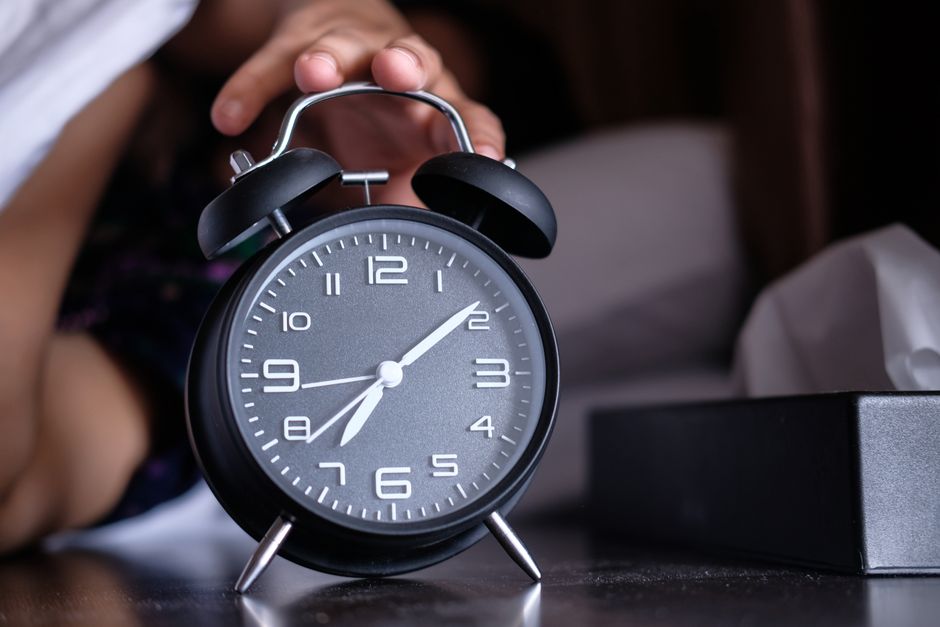
You have to treat your recovery with the same respect you treat your aim training. If you’re not tracking your sleep schedule, you’re missing a massive chunk of your potential. If you’re not taking intentional mental breaks, your decision-making will hit a ceiling. Ask yourself every single day: "What does this look like on a normal Tuesday night?" If the answer involves you staring at a screen until you pass out, you’re already behind the competition.
Start small. Fix one Tuesday night. Then fix two. Then watch how much easier it becomes to rank up when your brain isn't running on empty.