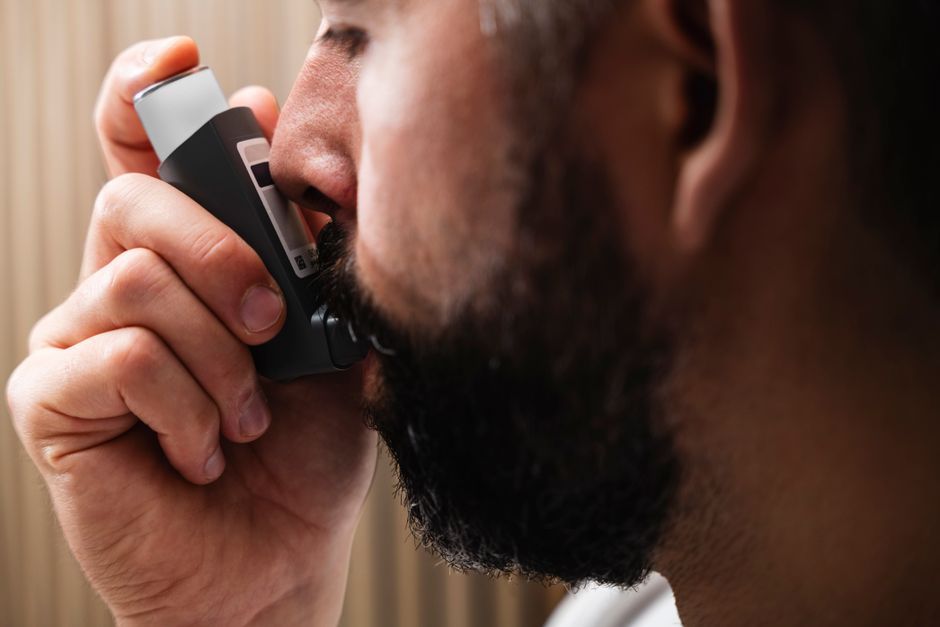
If you or someone in your family suffers from asthma or persistent allergies, you might be surprised to learn that one of the culprits lurking in your home is the cockroach. But it’s not just the bugs themselves—it’s the proteins they leave behind that cause a lot of trouble. In this post, I’ll break down the science behind Per a cockroach allergen, explain which roach produces it, and offer practical advice to manage and reduce these pesky proteins in Florida homes.
Cockroach Allergen Proteins and Their Impact on Asthma
Cockroach allergen proteins are substances that trigger allergic reactions and asthma symptoms in sensitive individuals. Unlike pollen or pet dander, these allergens come from parts or byproducts of the cockroach's body, including its shed skins, saliva, and feces.
Key Cockroach Allergen Proteins
- Bla g – This allergen protein is produced by German cockroaches (Blattella germanica). Per a – This is the allergen protein from the American cockroach (Periplaneta americana), often mistakenly called the "palmetto bug" in Florida.
Both Bla g and Per a allergens can cause asthma flare-ups, especially in children. These proteins are highly potent and can stay in your home’s dust even after the roaches have been removed.
Which Roach Makes the Per a Allergen?
The Per a allergen is specifically produced by the American cockroach, scientifically named Periplaneta americana. Despite the common nickname "palmetto bug," not every big roach you find outside or in Florida homes is an American cockroach, so don’t just call them all palmetto bugs—it's one of my pet peeves!
The American cockroach is a large species—about 1.5 inches long—with reddish-brown coloring and a yellowish figure-8 pattern on the back of its head. These roaches thrive in Florida’s hot, humid climate, making it a year-round source of allergen exposure in many homes.
American Cockroach vs. German Cockroach
Feature American Cockroach ( Periplaneta americana) German Cockroach ( Blattella germanica) Size 1.5 inches (large) 0.5–0.6 inches (small) Color Reddish-brown with yellow figure-8 pattern on head Light brown or tan with two dark stripes behind the head Habitat Outdoor moist areas (sewer, mulch), but can enter indoors Primarily indoor, especially kitchens and bathrooms Allergen Protein Per a allergen Bla g allergenBoth of these species shed allergenic proteins through their shed skins, saliva, and feces. Their allergen particles are tiny enough to settle in dust and are easily inhaled, leading to asthma symptoms.
Hidden Infestations and Persistent Allergen Dust
One big issue with roach allergen is that infestations are often hidden. Roaches like the American cockroach often stay in dark, moist areas like under refrigerators, water heaters, or near sewage pipes. This means allergens can be persistent, even if you think you’ve cleared the bugs out.
Allergen proteins from shed skins and saliva can accumulate in cracks, crevices, and especially in dust. Normal cleaning often misses these particles, so the allergens remain airborne or settle back into the home environment.
Why Just Spraying or Bug Bombs Won't Cut It
Bug bombs are my sworn enemy—I say it loud and clear every chance I get! They can disperse insecticide but hardly reach the deep-buried cockroach hiding spots where these allergens accumulate. Plus, dead roach bodies and shed skins can still leave behind allergenic proteins even after the bugs are dead.
That’s why it is crucial to focus on thorough cleaning and integrated pest management instead of relying solely on sprays or foggers.
Florida’s Year-Round Humidity and Outdoor Pressure
Florida’s climate creates a unique challenge. The heat and high humidity provide optimal conditions for cockroaches to breed and thrive year-round, especially the American cockroach outdoors and the German cockroach indoors.
The constant outdoor population means that even if you eliminate indoor roaches, there’s pressure for reinfestation from outside sources like mulch beds, sewer lines, and crawl spaces. This makes routine cleaning and preventive measures critical in controlling allergen buildup.
Managing and Reducing Per a Cockroach Allergen in Your Home
If asthma or allergy symptoms are a concern, reducing Per a cockroach allergen levels can make a big difference in your home environment. Here are some expert tips:

1. HEPA Filter Vacuuming
Use a vacuum cleaner equipped with a HEPA filter. This type of vacuum traps tiny allergen particles rather than redistributing them into the air, unlike many standard vacuums. Regular vacuuming of floors, carpets, and upholstery can help remove allergen-laden https://goodmenproject.com/everyday-life-2/florida-homes-have-a-year-round-asthma-trigger-the-rest-of-the-country-only-gets-in-summer/ dust, including roach shed skins and saliva residues.
2. Wet-Wiping Surfaces Instead of Dry-Dusting
Dry dusting or sweeping only stirs up fine dust particles, spreading allergens into the air. Instead, use damp cloths or microfiber towels to wet-wipe surfaces. Focus on under and behind appliances, baseboards, shelves, and other areas where roaches hide or allergen dust can settle.
Be sure to pull out your refrigerator and wipe underneath—that’s where a surprising amount of allergen dust can accumulate. This is an essential routine step that often gets overlooked. Don't go buying another spray before you do this!
3. Eliminate Roach Food and Water Sources
- Fix leaks and eliminate standing water. Seal cracks and crevices where roaches enter. Keep counters clean and free of food crumbs. Store food in sealed containers.
Reducing the roaches’ access to food and moisture greatly limits their population, which in turn reduces allergen production.
4. Employ Integrated Pest Management (IPM)
IPM strategies include a combination of traps, baits, caulking entry points, and regular monitoring instead of over-relying on sprays or foggers that can worsen allergen exposure.
Summary Table: How to Reduce Per a Cockroach Allergen Exposure
Action Why It Helps Tips HEPA Filter Vacuuming Traps tiny allergen dust particles and removes them from home Vacuum carpets, floors, and upholstery regularly Wet-Wiping Prevents stirring up dust allergens into air Use damp microfiber cloths; clean under appliances frequently Seal Entry Points Keeps roaches out and reduces allergen sources Use caulk on cracks and gaps; focus near plumbing and wiring Remove Moisture Sources Reduces roach survival and reproduction Fix leaks, reduce standing water Food Storage Limits roach food supply to reduce infestation Store food in airtight containers; clean up crumbsFinal Thoughts
Understanding Per a cockroach allergen and its source—the American cockroach—helps you take the right steps to protect your home and health. Don’t fall for vague or shame-based pest talk, and please avoid those ineffective "bug bombs" that spread toxins without addressing allergen dust. Instead, focus on thorough cleaning, using HEPA vacuuming, wet-wiping surfaces, and smart pest control practices.
Living along Florida’s northeast coast, I’ve seen firsthand how allergen management transforms homes with persistent roach problems. Pull out that refrigerator, clean under it, and reduce the dust and allergens left behind by those non-palmetto bug roaches. Your lungs will thank you.