For decades, the concept of "self-care" has been relegated to the sidelines of serious medicine. It was often synonymous with performative rituals—lavender oil, expensive subscription boxes, and vague wellness trends that promised harmony but lacked clinical utility. However, the last few years have seen a tectonic shift. We are no longer talking about self-care as a luxury; we are talking about the mainstreaming of stress, chronic burnout, and sleep hygiene as legitimate clinical concerns that require robust, evidence-based management.
Within this context, the conversation around medical cannabis in the UK has matured. Since the legislative change in 2018, which allowed specialist doctors to prescribe cannabis-based products for medicinal use, we have moved from the "Wild West" of anecdotal reports to a formal, regulated pathway. Central to this transition is a concept that is often misunderstood by patients and clinicians alike: prescription monitoring.
As someone who spent 11 years navigating the labyrinthine corridors of the NHS, I’ve seen firsthand the friction between patient advocacy and clinical governance. Let’s break down what prescription monitoring actually is, why it is the backbone of safe medical cannabis access, and how digital tools are changing the game.

The 2018 Shift: From Stigma to Specialist Oversight
Before November 2018, medical cannabis was largely an inaccessible outlier in the UK. The legislative change was a cautious opening of the door, but it came with strict guardrails. It did not make medical cannabis "legal" for the medical cannabis Scotland rules general public in the way people often hope; rather, it placed the responsibility squarely in the hands of specialists listed on the General Medical Council’s Specialist Register.
This oversight is crucial. Unlike unregulated CBD products found on the high street, prescribed medical cannabis is subject to rigorous testing for purity, cannabinoid content, and safety. However, the prescription is only the first step. Because cannabis affects the endocannabinoid system in highly individual ways, the clinical journey doesn't end when the medicine is dispensed—it begins there.
What is Prescription Monitoring?
At its core, prescription monitoring is the structured process of recording a patient’s response to their cannabis treatment over time. It is not, as some fear, a mechanism for state surveillance. Instead, it is a safety-critical feedback loop designed to ensure that the medication is doing https://bizzmarkblog.com/how-do-you-get-assessed-for-medical-cannabis-in-the-uk-a-practical-guide-to-the-pathway/ what it is supposed to do without causing harm.
Clinical oversight requires that we move beyond "feeling better." We need granular data. Are symptoms of chronic pain reducing? Is the frequency of nocturnal awakenings decreasing? Are there side effects like cognitive impairment or tachycardia? Without a formal monitoring process, these questions remain anecdotal.
The Pillars of Clinical Oversight
- Titration: Finding the minimum effective dose to minimize side effects. Safety Profiling: Identifying contraindications with existing medications. Efficacy Tracking: Mapping symptomatic changes against dosage adjustments. Quality Assurance: Ensuring the product source remains consistent.
The Role of Digital Health: Riproar and Data Empowerment
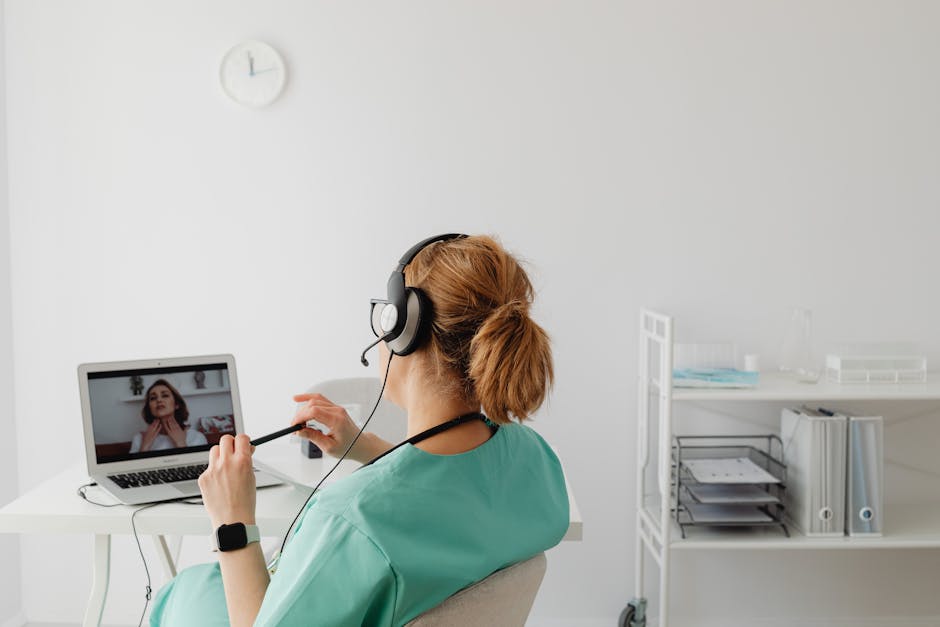
For too long, the "NHS-style" approach to patient data has been trapped in paper files or fragmented electronic patient records (EPR). This is where platforms like Riproar are bridging the gap. Digital health tools now allow patients to input real-time data about their symptoms and treatment efficacy.
By digitizing the patient experience, tools like Riproar help patients provide their clinicians with accurate, longitudinal data. Instead of relying on a patient’s memory during a 15-minute consultation, a doctor can look at a dashboard of reported outcomes. This turns a subjective discussion into a data-driven clinical strategy. For the patient, this shifts the burden of self-care from "guessing what works" to "measuring what works."
The Epilepsy Society and the Gold Standard of Safety
When discussing patient safety in medical cannabis, we must look to the Epilepsy Society (epilepsy.org.uk) as a guiding light. Epilepsy represents one of the most high-stakes conditions treated with cannabis-based medications, specifically regarding the use of CBD-rich treatments for refractory epilepsy.
The Epilepsy Society has consistently advocated for rigorous clinical oversight. They emphasize that for conditions as complex as epilepsy, monitoring isn't just a regulatory requirement—it is a life-saving necessity. Their focus on evidence-based medicine serves as a blueprint for the wider medical cannabis sector. They highlight that patients with complex neurological conditions need more than just a prescription; they need a monitoring framework that includes regular blood work (to monitor liver function, for example) and strict adherence to follow-up reviews.
The Anatomy of Follow-up Reviews
If the prescription is the start, the follow-up review is the engine room. These periodic consultations are mandatory for maintaining access to medical cannabis in the UK. But what actually happens during these sessions?
Review Component Objective Why it Matters Symptom Assessment Evaluate improvement in primary condition. Confirms if the treatment plan remains valid. Adverse Effect Review Screen for physical/mental side effects. Ensures patient safety and long-term health. Dose Optimization Adjusting for tolerance or changes in symptoms. Prevents stagnation in treatment efficacy. Data Reconciliation Reviewing logs/digital input. Objectifies the patient's lived experience.Follow-up reviews are the primary defense against clinical burnout for the prescriber and treatment failure for the patient. By formalizing this process, the UK medical cannabis sector is slowly dismantling the stigma that cannabis use is purely for recreation or "self-medication."
Reframing Self-Care
As we navigate an era where burnout and sleep deprivation are endemic, we must stop viewing medical cannabis through the lens of 20th-century bias. When a patient uses medical cannabis to manage chronic burnout or sleep disorders, they are engaging in a highly disciplined clinical regimen. They are tracking their sleep cycles, monitoring their mood, and discussing their data with specialists.
This is the literal definition of practical, high-stakes self-care. It isn't performative; it is a clinical intervention supported by clinical oversight and refined through continuous prescription monitoring.
Conclusion: The Path Forward
The transition of medical cannabis into the UK healthcare mainstream is far from complete. Stigma persists, and access remains complex for many. However, the path to normalization is paved with data, regulation, and safety.
By embracing digital tools like those being integrated into modern patient journeys, and by respecting the high standards of safety championed by organizations like the Epilepsy Society, the UK is creating a model that puts patient safety at the center of the conversation. If you are currently accessing or considering medical cannabis, remember that the follow-up review is your strongest advocate. Use it to speak in data, use it to track your health, and use it to hold the process accountable. After all, when it comes to your health, monitoring is not just a burden—it is your right.