We’ve all been there. You search for a solution to a nagging symptom—maybe a persistent headache, sleep issues, or "brain fog"—and you find a polished, well-lit YouTube video promising a simple, natural fix. The creator is charismatic, the comments are filled with praise, and they’ve linked a supplement in the description. It feels authoritative. But how do you know if you are being educated or being sold a product?
In my 11 years as a community health educator and wellness content editor, I have seen the digital landscape shift from expert-led clinical advice to algorithm-led influencer content. While YouTube can be an incredible resource for health literacy, it is also a breeding ground for YouTube medical misinformation. To navigate this, you need a critical eye and a systematic approach to verifying what you see on your screen.
The Problem with "Wellness" Influencers
One of my biggest professional pet peeves is the "detox" narrative. You will often see influencers claim that a specific tea, powder, or tincture will "cleanse your liver" or "detox your system." These claims are almost always vague and lack any biological mechanism. When you dig into these videos, you will notice a glaring omission: medication interactions.
Influencers are rarely clinicians. They are often entertainers or marketers. They are not thinking about the 150 million Americans who take prescription medication daily. They aren’t considering how a supplement might interact with your blood pressure medication, your antidepressants, or your birth control. If a health explainer doesn't ask, "Are you currently on any medications?" before recommending a supplement, they are skipping the most important safety step in wellness.
Understanding the Biology: Dose, Timing, and Metabolism
To understand why those "quick fix" videos are often dangerous, you need to understand three core concepts of pharmacology:
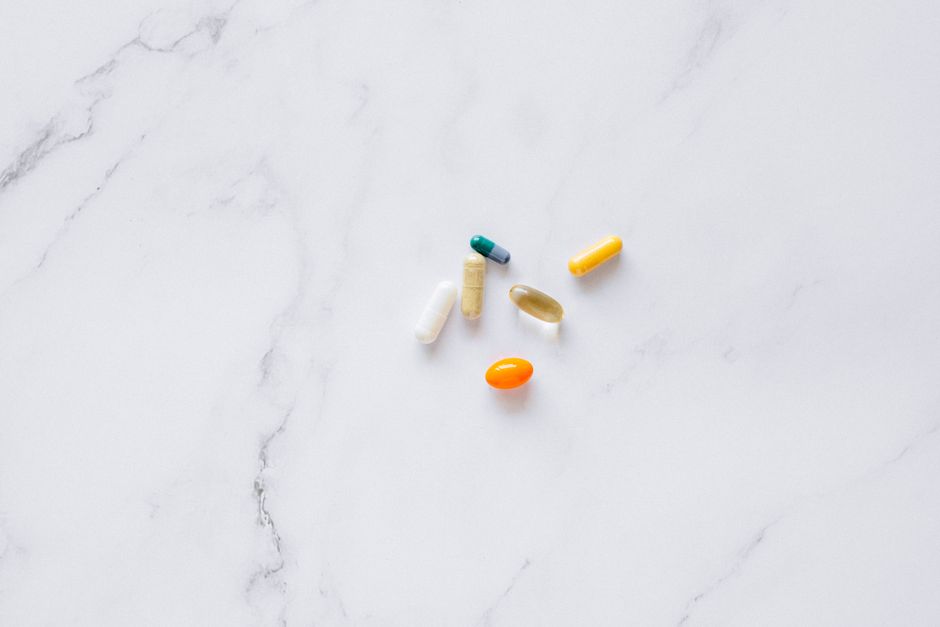
- Dose: The concentration of an active ingredient. An influencer might suggest a dose that seems harmless, but if that substance shares a metabolic pathway with your prescribed meds, even a small dose can lead to unintended side effects. Timing: When you take a substance matters. Some supplements can physically bind to medications in your stomach, preventing them from being absorbed (bioavailability). Metabolism: This is how your body breaks down and clears substances. Many drugs are processed by liver enzymes, most notably the Cytochrome P450 (CYP450) enzyme system. If a supplement "induces" or "inhibits" these enzymes, it can effectively change your medication dose—either making it too weak to work or causing a toxic buildup in your system.
The Case of CBD and Medications
Cannabidiol (CBD) is a prime example of why source checking is essential. Many YouTube explainers treat CBD as a benign, "natural" option for anxiety. However, CBD is a potent inhibitor of several CYP450 enzymes. If you are on a blood thinner like warfarin or certain seizure medications, adding CBD without professional oversight can be dangerous. A credible video will always highlight these nuances; a problematic video will skip them entirely.
How to Vet Your Sources: A Digital Literacy Framework
If you want to use YouTube for health information, you need to develop a skeptical, investigative habit. Here is how I verify content before I share it with a patient or reader.

1. Check Credentials (The "Who")
Does the person speaking have a clinical background? Look for titles like MD (Medical Doctor), DO (Doctor of Osteopathic Medicine), PharmD (Doctor of Pharmacy), or RD (Registered Dietitian). Be wary of titles that sound official but are unaccredited, such as "Certified Wellness Consultant" or "Holistic Health Expert."
2. Look for References (The "How")
Does the video include links to peer-reviewed research in the description? If a creator makes a bold claim like "this herb cures inflammation," they should cite a study. If you can’t find the research, look for a different video. Use tools like PubMed or Google Scholar to cross-check their claims against the original study.
3. Watch for "Scare Tactics" vs. "Nuance"
Avoid any video that relies on fear-mongering (e.g., "The medical industry doesn't want you to know about this!") or absolute promises (e.g., "This one hack will fix your thyroid forever"). Credible experts understand that health is complex and rarely https://flixpress.com/the-importance-of-understanding-product-interactions-in-modern-wellness/ rely on buzzwords like "superfood" or "miracle cure."
Table: Assessing Credibility at a Glance
Feature Credible Health Content Misinformation/Influencer Content References Cites peer-reviewed studies/institutional websites. Cites "personal experience" or "secret studies." Tone Balanced, nuanced, cautious. Alarmist, absolute, overly confident. Medication Safety Asks about existing meds/contraindications. Ignores meds or says "it's natural, so it's safe." Motivation Educational, clear disclosure of affiliations. Heavy focus on driving product sales.Strategy: Cross-Checking Your Findings
Never treat a single video as the final word. When you find a health topic that interests you, use a "three-source" rule. Before implementing a new routine, try to find the information on three distinct, high-credibility platforms. These include:
Government Health Agencies: The NIH (National Institutes of Health) or the NHS (National Health Service) website. Academic Medical Centers: Websites ending in .edu (e.g., Mayo Clinic, Johns Hopkins). Professional Databases: Use a search engine to specifically look for "Drug interaction checker" tools provided by reputable pharmacies or medical organizations.The Checklist: Questions to Ask Your Pharmacist
As a final note, remember that your pharmacist is the most accessible medical professional you have. They are experts in pharmacology and medication interactions. If you have been watching YouTube videos about a new supplement or health trend, take this list to your next pharmacy visit:
- "I’ve been reading about [Supplement Name]. Is there any evidence that it interacts with my [Prescription Drug Name]?" "Does this supplement affect how my liver processes my current medications?" "Is there a specific time of day I should avoid taking this to ensure it doesn't interfere with my prescriptions?" "Is there a safer alternative that achieves the same goal, or should I avoid this entirely?" "Where can I find reliable, non-commercial information about this specific health claim?"
Final Thoughts: Take Control, Don't Be Controlled
The internet has democratized health information, which is a massive win for patient autonomy. However, it also demands a higher level of digital literacy from all of us. When you watch a YouTube health explainer, you aren’t just a viewer; you are a researcher. Use the tools at your disposal—cross-check your sources, look for the clinical credentials, and always talk to your pharmacist. Your health is too important to leave to an algorithm.